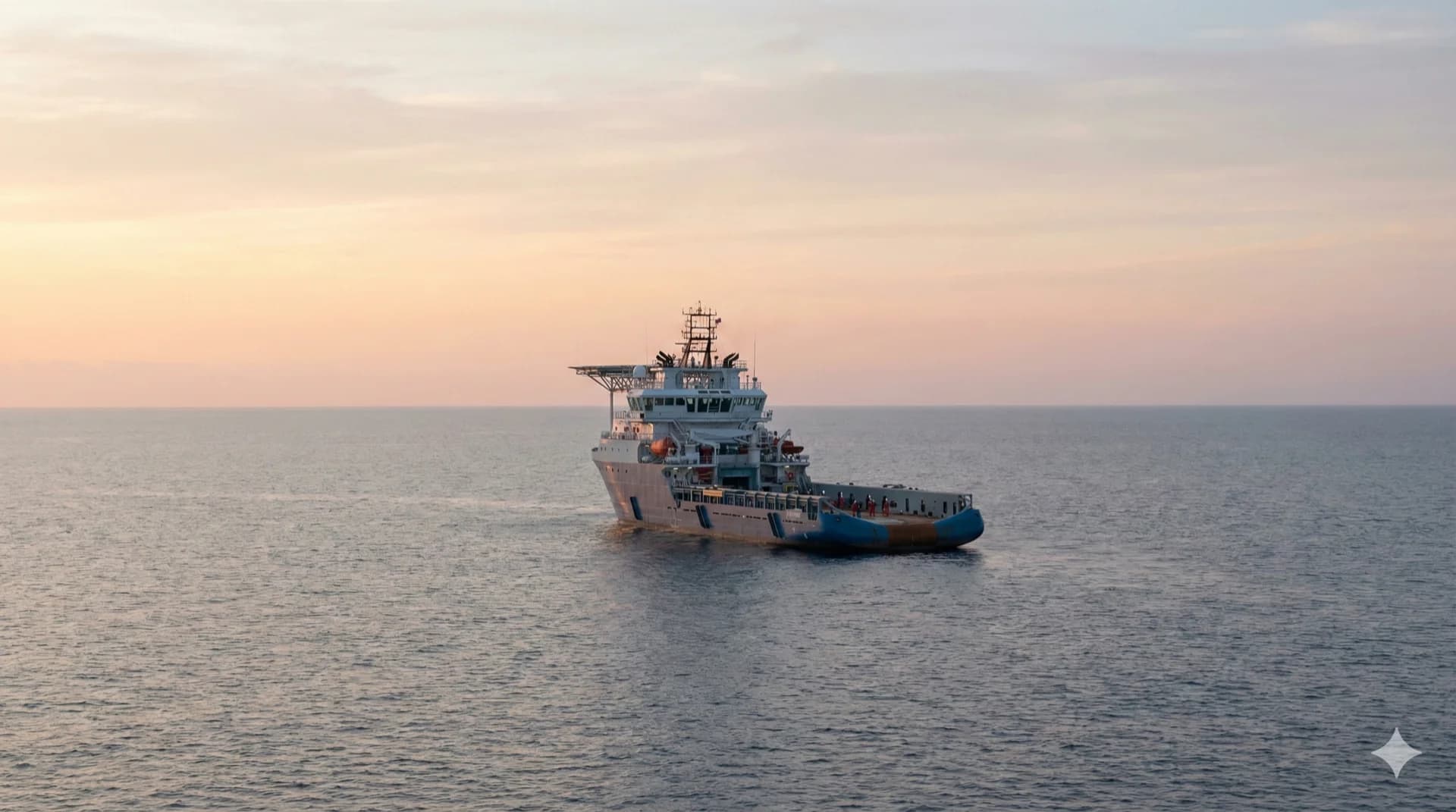
Ocean OS
The Operating System for Modern Maritime Operations
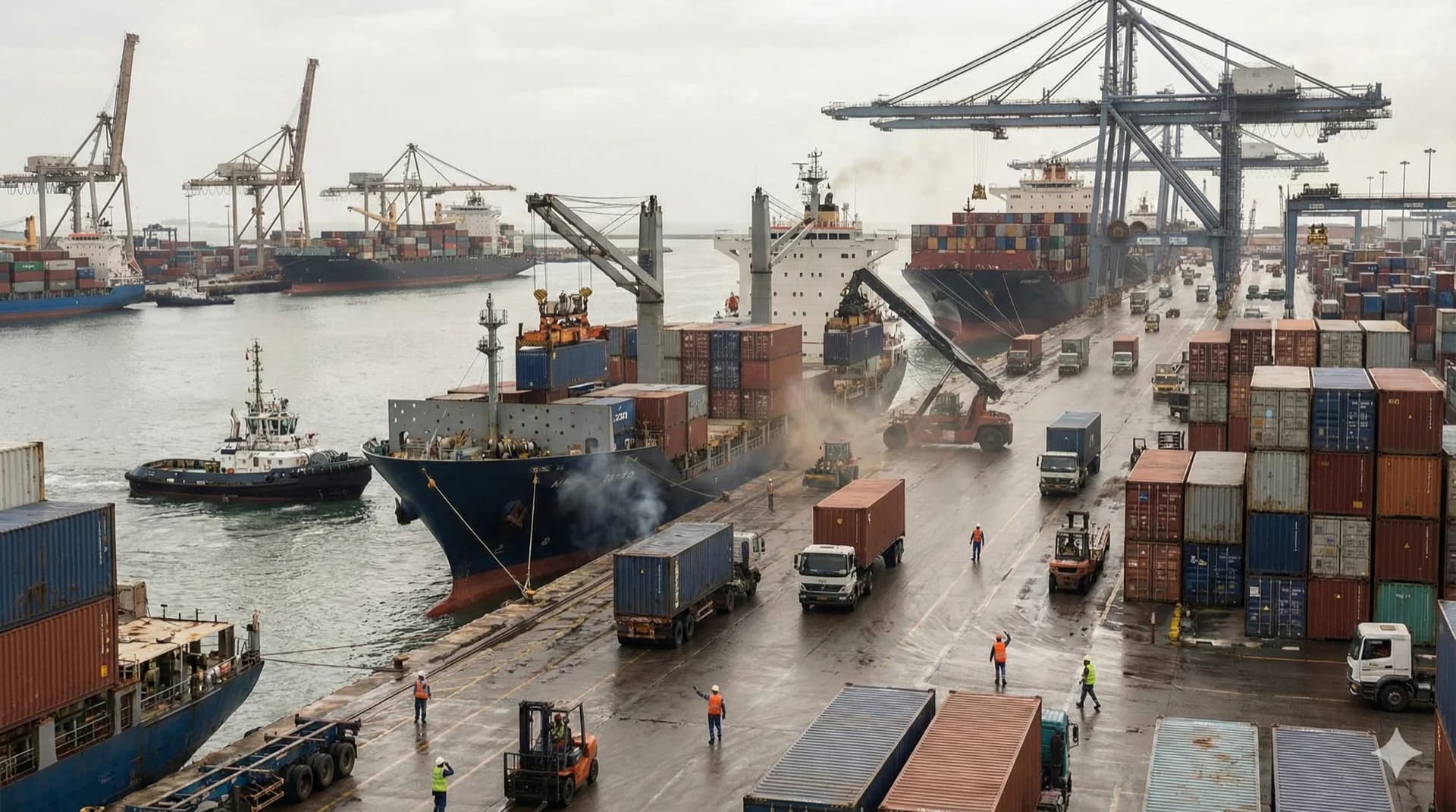
An Industry Under Pressure
Maritime and offshore operations are becoming increasingly complex.
Assets operate globally, teams are distributed between vessel and shore, and compliance requirements continue to grow.
Legacy systems and disconnected tools struggle to keep up with modern operational demands.
Ocean OS
The Operating System for Modern Maritime Operations
An Industry Under Pressure
Maritime and offshore operations are becoming increasingly complex.
Assets operate globally, teams are distributed between vessel and shore, and compliance requirements continue to grow.
Legacy systems and disconnected tools struggle to keep up with modern operational demands.

The Real Operational Challenge
Operational data is fragmented across spreadsheets, emails, and isolated systems.
Projects, crew, inventory, documents, and reporting are rarely connected.
This fragmentation leads to delays, rework, limited visibility, and increased operational risk.
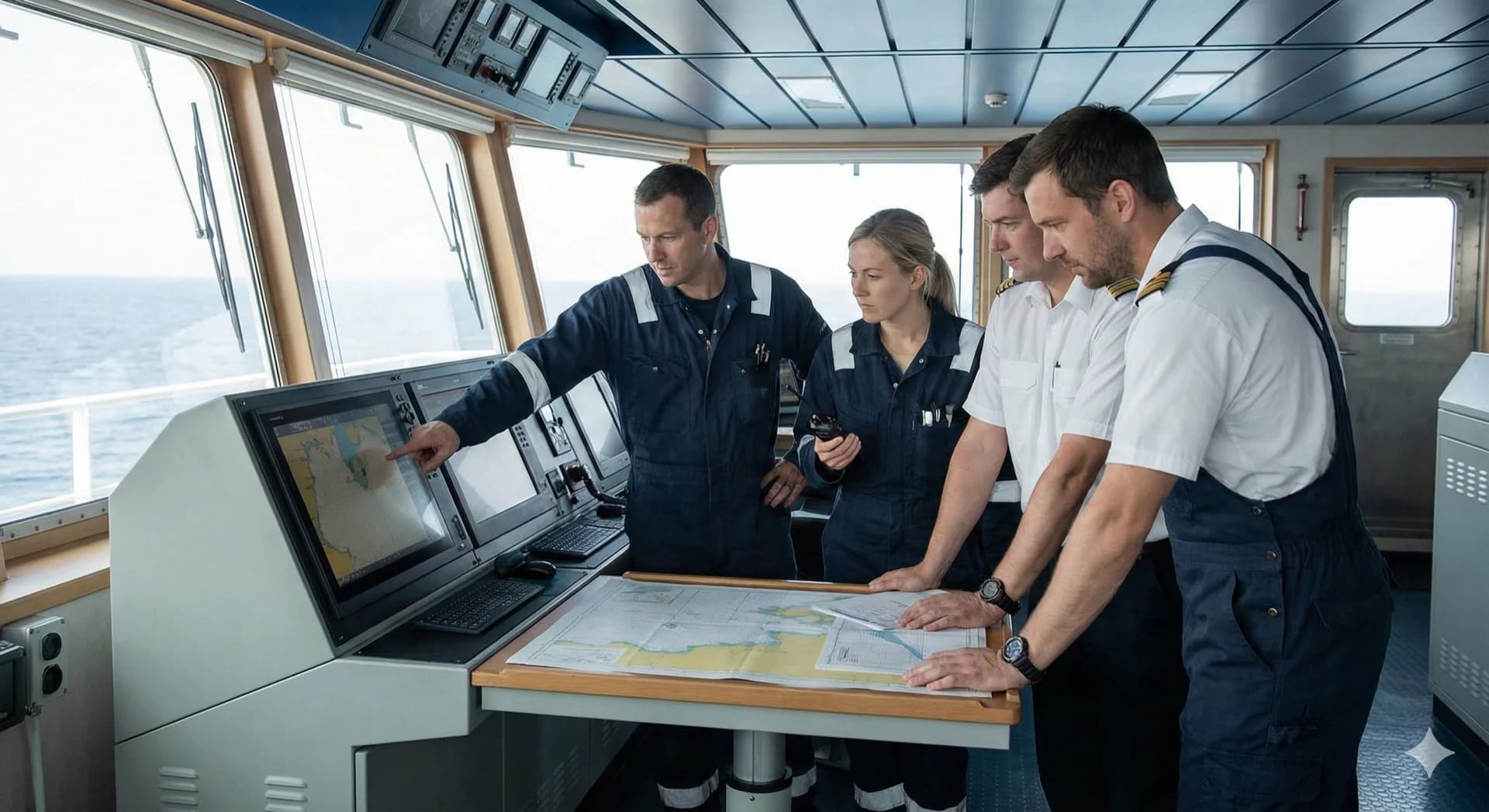
Introducing Ocean OS
Ocean OS is a modular operating system designed for modern maritime operations.
It connects vessels, projects, people, and operational data into one coherent platform.
Organisations can start with what they need and expand as operations grow.
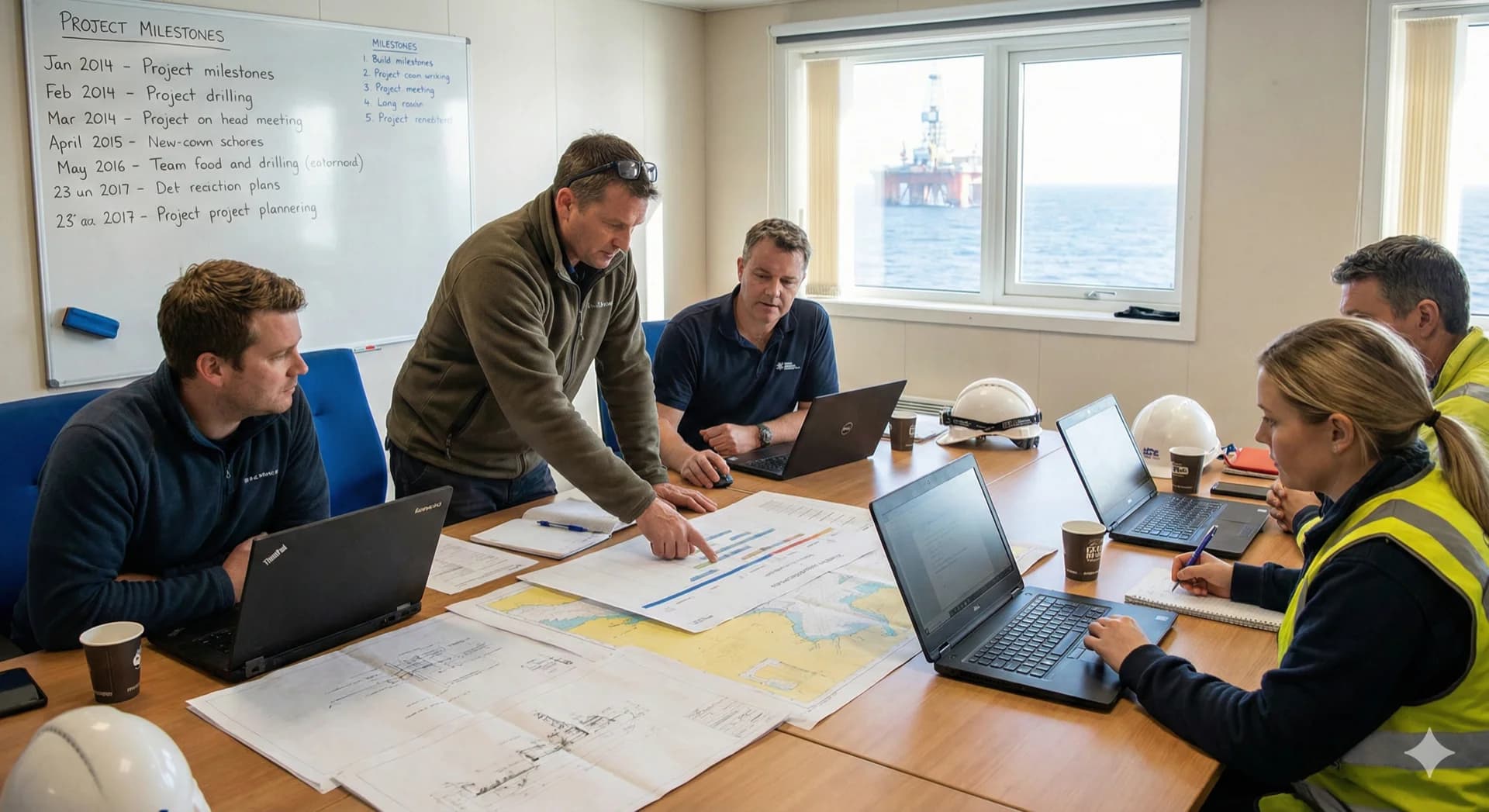
Project Management
Why it exists
Maritime projects involve vessel time, vendors, tasks, and budgets that must align under changing conditions.
How Ocean OS helps
Ocean OS centralises execution by bringing schedules, vendors, tasks, and budgets into one workspace.
Outcome
Projects become easier to plan, track, and control with improved cost visibility.
Key Capabilities
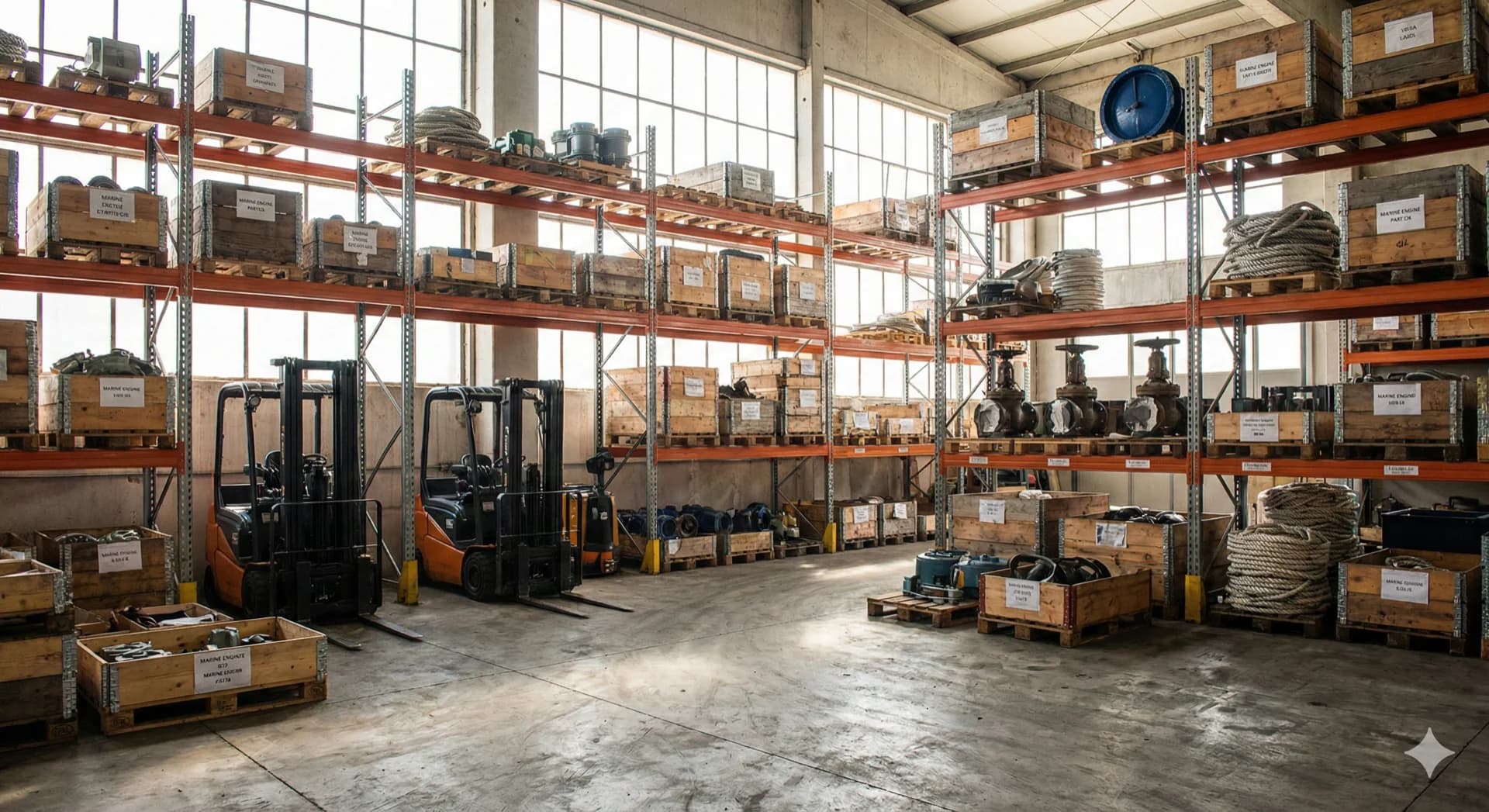
Warehouse Management
Why it exists
Equipment availability is critical, yet inventory data is often unreliable or fragmented.
How Ocean OS helps
Ocean OS provides real-time inventory visibility across warehouses and vessels.
Outcome
Fewer shortages, reduced waste, and improved operational readiness.
Key Capabilities
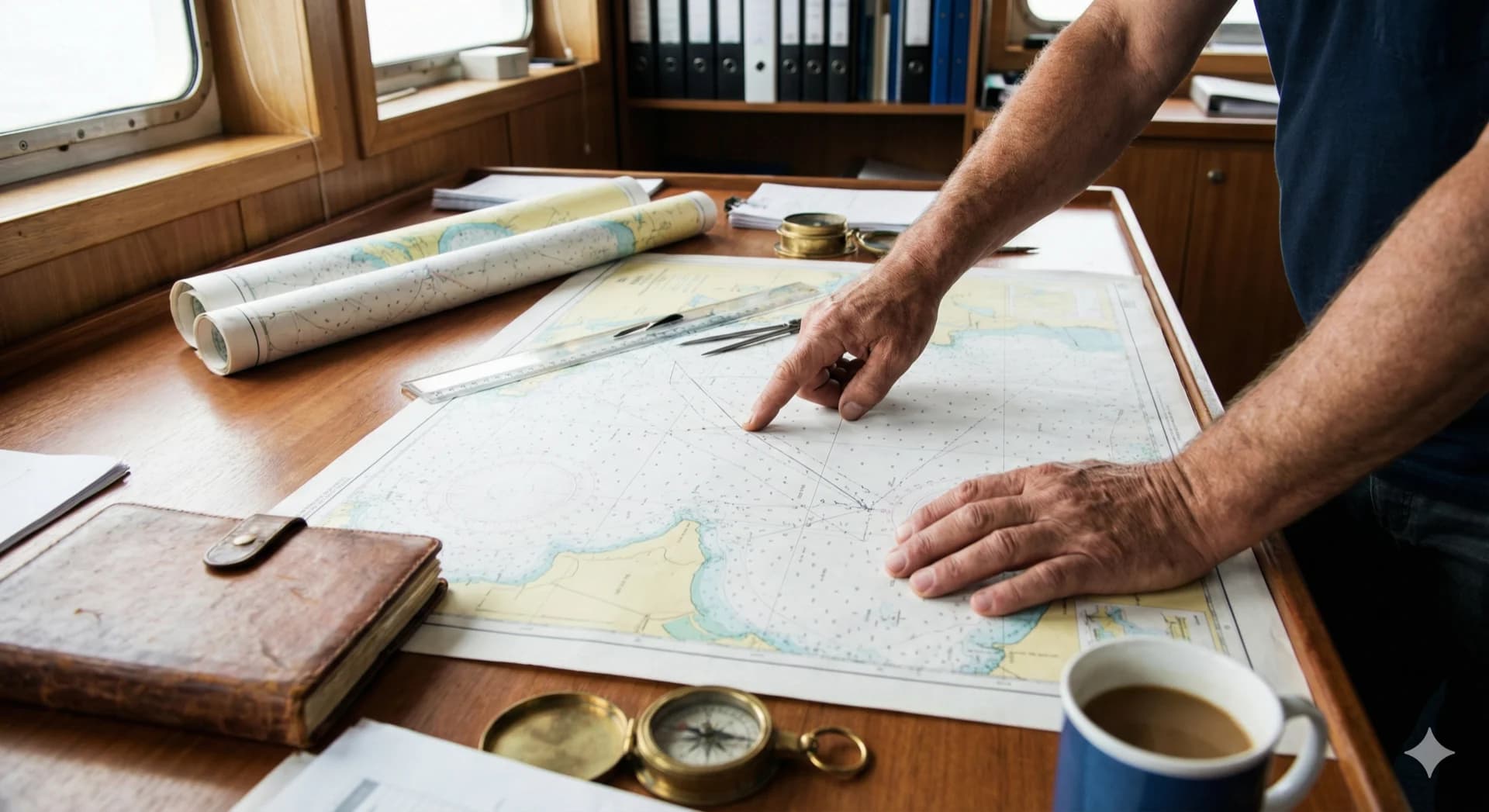
CRM – Strata
Why it exists
Maritime commercial teams operate in a spatial, asset-driven world not supported by generic CRMs.
How Ocean OS helps
Strata provides a map-first workspace aligned to vessels, locations, and opportunities.
Outcome
Improved commercial clarity and faster, better-informed sales decisions.
Key Capabilities
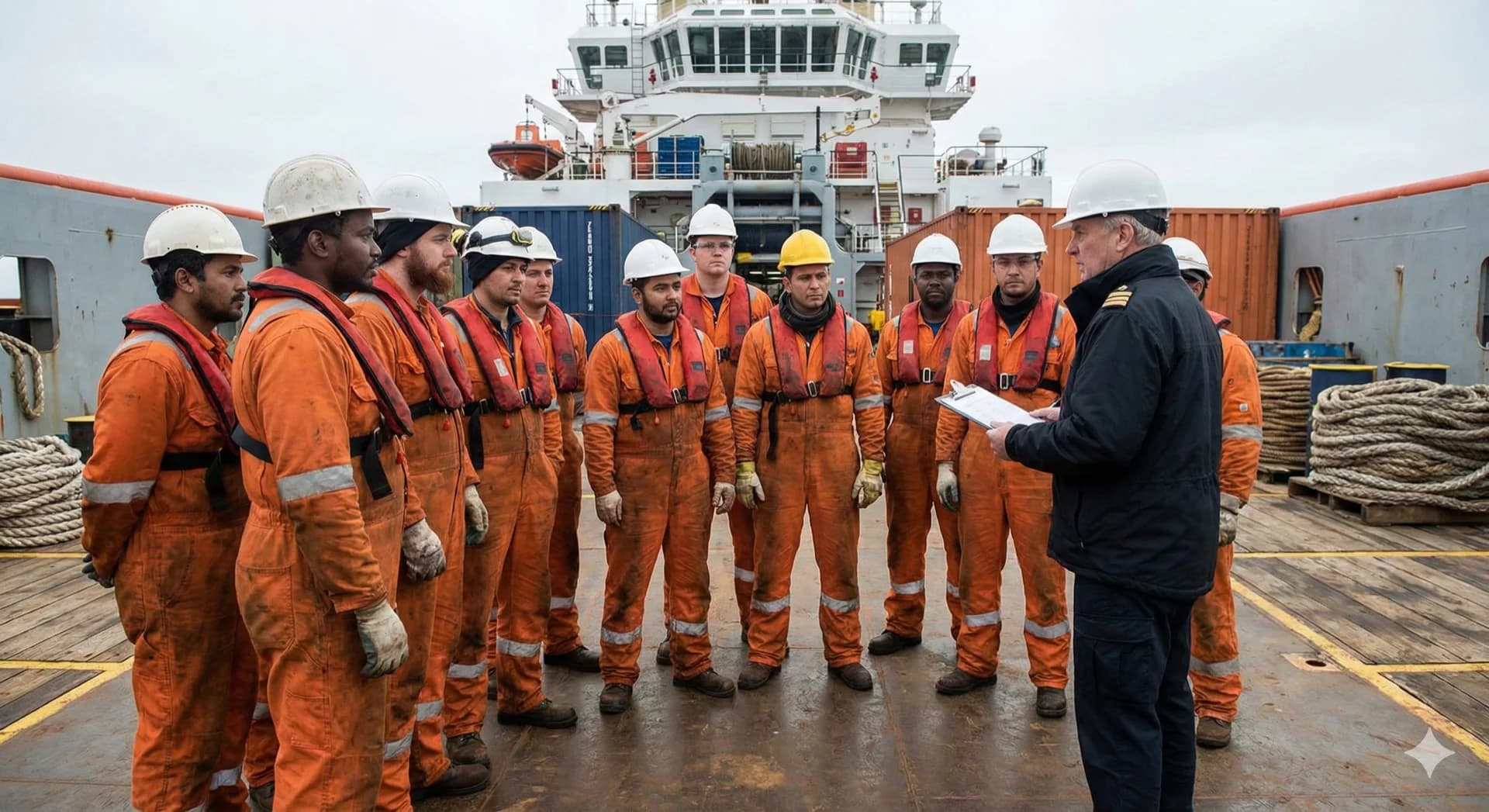
Crewing
Why it exists
Crew rotations, certifications, and availability are complex and time-sensitive.
How Ocean OS helps
Ocean OS centralises crew data, assignments, and compliance in one system.
Outcome
Better workforce planning, fewer compliance gaps, and reduced disruption.
Key Capabilities
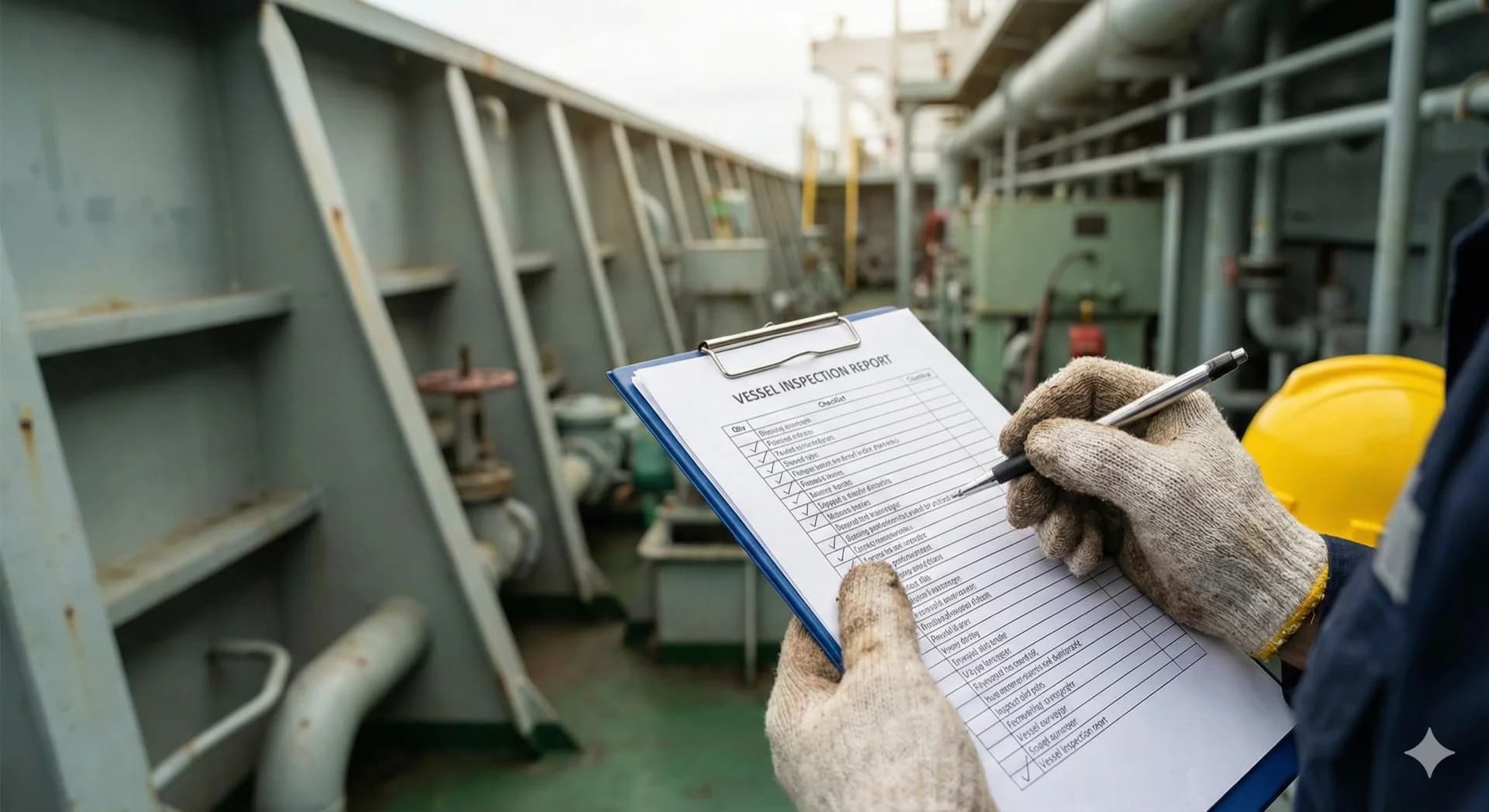
Audit & Inspection Schedules
Why it exists
Audits and inspections are predictable but often stressful due to poor preparation.
How Ocean OS helps
Ocean OS structures schedules, checklists, and historical records.
Outcome
Improved readiness, fewer missed actions, and stronger compliance performance.
Key Capabilities

AI Document Library
Why it exists
Critical knowledge is locked inside documents that are hard to search and manage.
How Ocean OS helps
AI-powered search and categorisation unlock organisational knowledge.
Outcome
Faster access to information and reduced dependency on individuals.
Key Capabilities

Drawing Management
Why it exists
Outdated or incorrect drawings create operational and safety risks.
How Ocean OS helps
Controlled storage, versioning, and access to technical drawings.
Outcome
Teams work from current information with reduced risk of error.
Key Capabilities
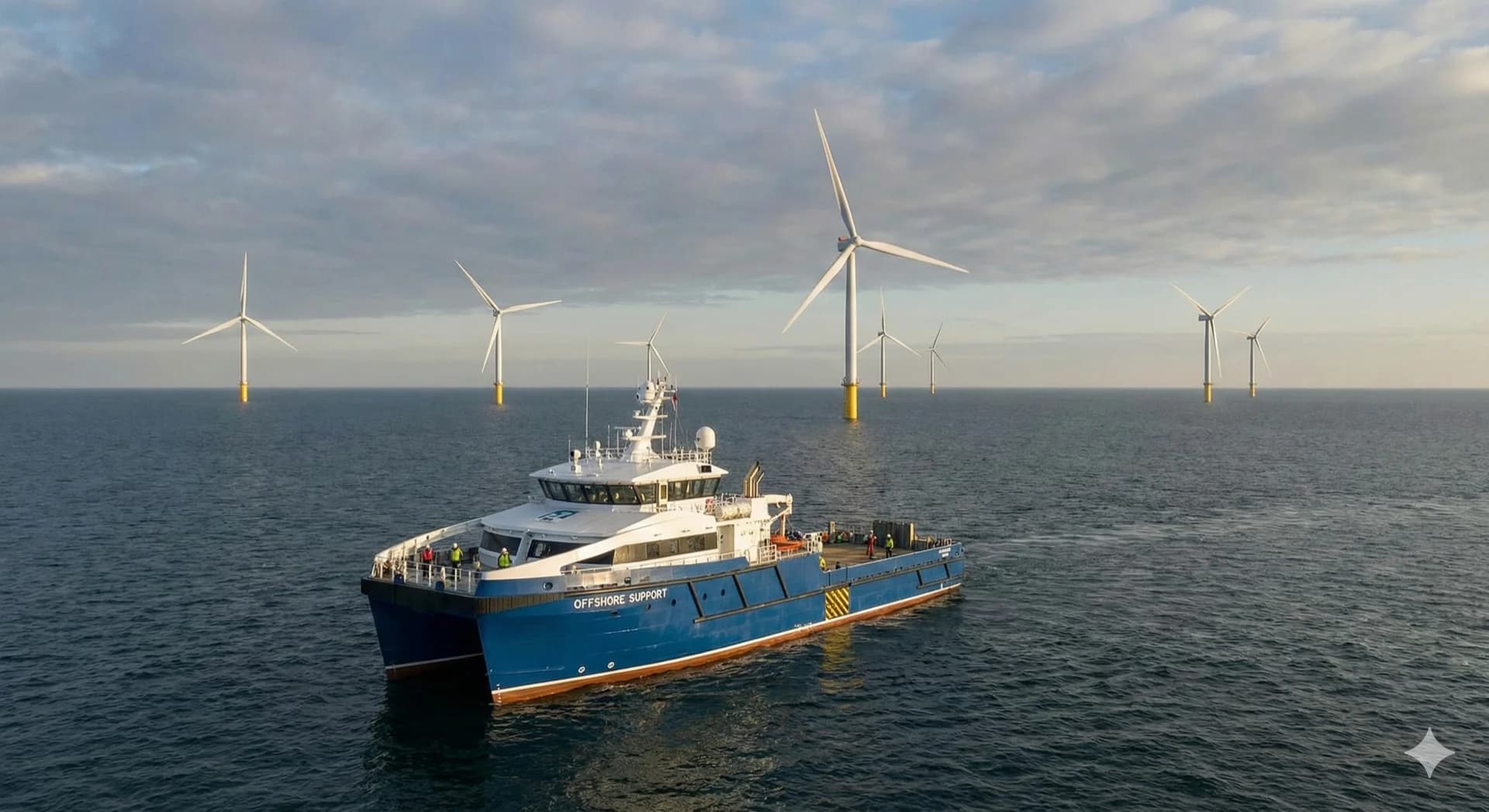
ESG
Why it exists
ESG reporting requires reliable operational data but is often manual and fragmented.
How Ocean OS helps
Integrates emissions and sustainability data directly into operational workflows.
Outcome
Reliable ESG reporting with less manual effort.
Key Capabilities

Operational Reporting
Why it exists
Reporting depends heavily on individuals and manual compilation.
How Ocean OS helps
Standardises daily, monthly, and annual reporting across operations.
Outcome
Consistent, repeatable reporting with reduced effort.
Key Capabilities
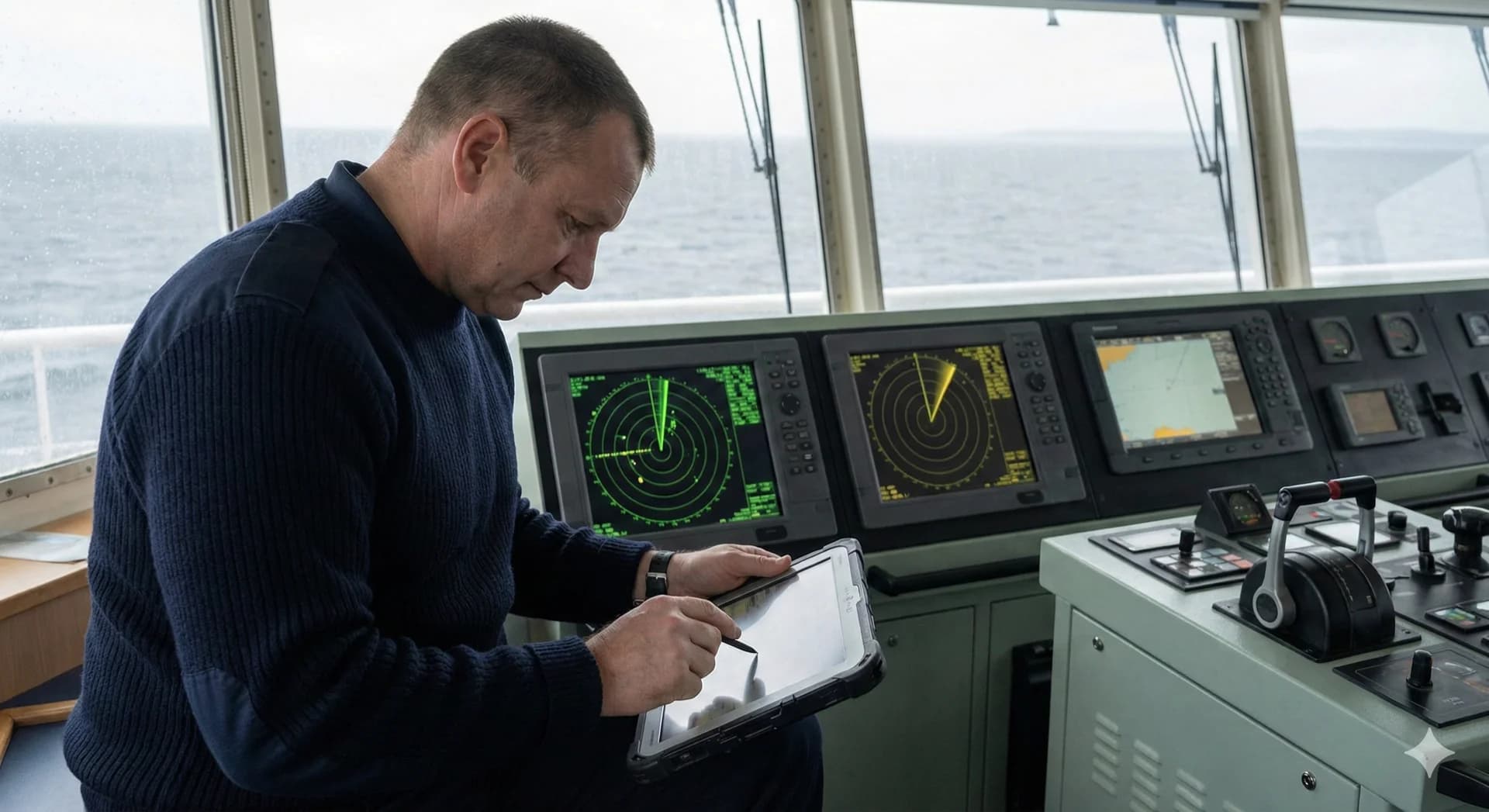
Digital Logbooks
Why it exists
Paper-based logbooks are difficult to audit and analyse.
How Ocean OS helps
Digital logbooks preserve regulatory integrity while modernising capture and traceability.
Outcome
Improved traceability, easier audits, and stronger compliance.
Key Capabilities

Why Ocean OS
One shared operational data model across all modules
Reduced operational friction and better decision-making
A platform designed to evolve with maritime operations